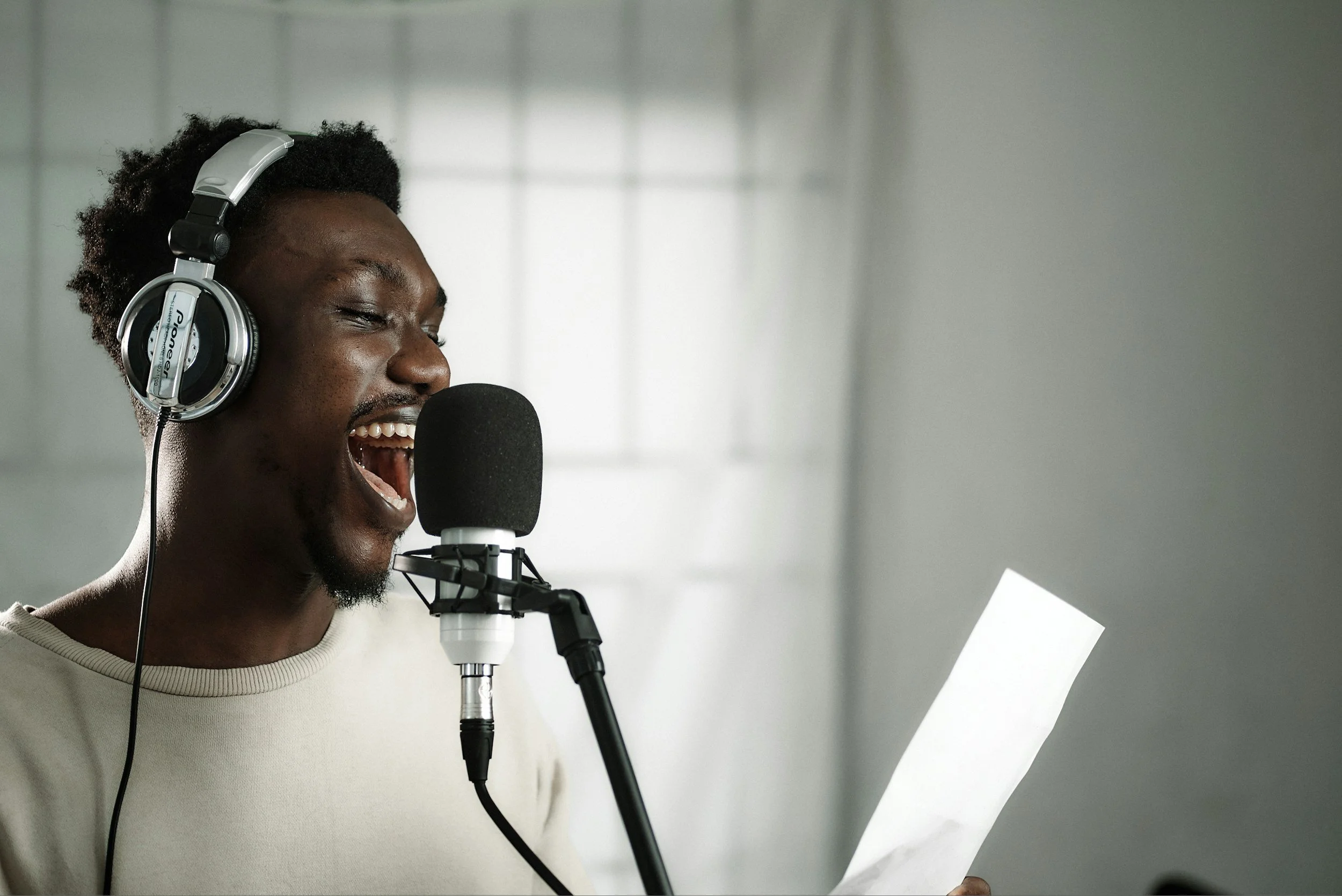
Singing better in the recording studio is not about becoming a different singer overnight. It is about preparing the song, choosing the right key, getting comfortable in the headphones, taking direction, and capturing a vocal that feels believable. This post explains how artists can sing with more confidence once the mic is on.
Read MoreA good recording session is not only about what you bring. It is also about what you avoid before you walk in. Over-rehearsing, changing lyrics at the last minute, showing up tired, bringing messy files, or ignoring vocal health can make the session harder than it needs to be. This post explains what not to do before recording so you can show up prepared, relaxed, and ready to perform.
Read MorePerforming well in front of the microphone is not about being perfect on the first take. It is about knowing the song, getting comfortable in the headphones, trusting the process, taking direction, and delivering a vocal that feels believable. This post explains how artists can calm their nerves and give a stronger studio performance.
Read MoreYou do not need to bring a perfect song or a pile of professional gear to your recording session. But bringing the right basics — lyrics, a rough demo, reference songs, instruments, files, and a clear goal — can help the session move smoothly and give the studio a better starting point.
Read MoreAfter a recording studio session, the song is usually not finished yet. The next steps may include editing the best takes, cleaning up tracks, mixing the song, mastering the final version, reviewing revisions, and preparing files for release. This post explains what happens after the session so artists know what to expect once the recording day is over.
Read MoreYour first recording studio session will go better if you know the song, bring the right materials, and understand the goal for the day. You do not have to show up perfect, but a little preparation can help you feel calmer, communicate clearly, and get better performances once the session starts.
Read MoreA recording studio session is not as intimidating as many artists imagine. Most sessions follow a simple rhythm: setting up, listening to the song, getting comfortable, recording takes, making adjustments, and planning the next step. This post explains what usually happens in the studio so you can show up with more clarity and less pressure.
Read MoreA professional-sounding song is not just about expensive gear or a perfect vocal. It is about making the right decisions for the song: the right key, arrangement, performance, recording environment, mix, and master. This post explains how to make your song sound more polished while still protecting the emotion that made you write it in the first place.
Read MoreTurning a song idea into a recording can cost different amounts depending on where the song starts and what you want the final version to become. A simple vocal session or demo may fall into a lower budget range, while a full production with instruments, editing, mixing, and mastering will usually require more time and planning.
Read MoreA demo helps you test and shape a song before committing to a final version. A finished song is recorded, mixed, and mastered with release in mind. If you are unsure where to start, the best choice depends on your song’s current stage, your goals, your budget range, and whether you are still developing the idea or ready to share it publicly.
Read MoreA recording studio can often help you finish a song, especially if you already have a voice memo, lyrics, melody, chorus, or rough demo. The right studio can help you clarify the song’s structure, choose the right arrangement, record stronger performances, and move the idea toward a finished recording without making the process feel overwhelming.
Read MoreA voice memo may not sound professional, but it can be the beginning of a real song. If you have a melody, lyric idea, chorus, or rough acoustic recording saved on your phone, a recording studio can help you shape it into a finished track with the right plan, arrangement, recording, mixing, and mastering.
Read MoreYour song does not have to be perfect before you go to the studio, but it should have a clear starting point. If you know the main idea, melody, lyrics, and general direction, a recording studio can help you turn that foundation into a stronger finished recording. This post explains what should be ready before your session and what can still be shaped in the studio.
Read MoreYour song idea does not have to be perfect before you bring it to a recording studio. If you have a melody, lyrics, chorus, voice memo, or rough demo that keeps pulling your attention, it may be worth developing. This post explains how to know whether your song idea is ready to record, needs more writing, or simply needs the right creative support.
Read MoreA voice memo may not sound professional, but it can be the beginning of a real song. If you have a melody, lyric idea, chorus, or rough acoustic recording on your phone, a recording studio can help you turn that idea into a finished track with the right plan, arrangement, recording, mixing, and mastering.
Tags: Voice Memo to Finished Song, Songwriting Tips, Recording Studio
Recording captures the performance. Mixing shapes all the recorded parts into one balanced song. Mastering prepares the final mix for release. If you are new to the studio, understanding these three steps can help you plan your project, ask better questions, and feel more confident about the recording process.
Read MoreYou do not have to be a professional musician to record a song. Whether you have a finished song, a rough voice memo, a few lyrics, or an idea you have never shared before, a good recording studio can help you understand the next step. This post explains what you need before booking a session, how to prepare, and why recording music is not just for full-time artists.
Read MoreCan I Record a Song If I’m Not a Professional Musician?
Read MoreHow Many Songs Should I Have Ready Before Booking Studio Time?
Read MoreShould I Record Live With My Band or One Track at a Time?
Read More